

Laser Balance Beam Training System Buying Guide
The Laser Balance Beam family is a versatile, progressive training system for preschool, recreational, developmental, competitive, and home-based gymnastics. Its wider working surfaces, clear visual markings, and modular formats help beginners explore balance and body awareness, give recreational athletes approachable stations for skill development, and support competitive gymnasts as they transfer advanced skills to a regulation-width beam.
The family includes the Laser Beam Lite, Laser Beam PRO, Laser Beam Skill Expander, Laser Beam Conversion Top, and Laser Beam Training Pad. Each product supports a different stage of development, and several can be combined to create playful preschool circuits, efficient recreational class stations, or longer continuous surfaces for team training.
Use this guide to compare widths, lengths, training applications, station flexibility, raised-beam options, and the best progression for your athlete or program.
How the Laser Balance Beam Progressive Training System Works
The Laser Beam system is built around a simple progression: give athletes more physical space when a skill is new, then gradually reduce that assistance while keeping familiar visual cues.
- Start wide: Use the Skill Expander to create a much larger working area around the Laser Beam—ideal for early balance activities, movement exploration, and first attempts at new skills.
- Move to the Laser Beam: Train on the approximately 7-in-wide Laser surface while using its colored lines and numbers for feedback.
- Train within competition-width boundaries: White lines show where the edges of a regulation-width beam would be.
- Add height when appropriate: Use a Conversion Top or Training Pad on a compatible raised beam.
- Transfer to the competition beam: Progress to the standard-width beam with less physical assistance and more confidence.
Coaches do not have to use every step in one linear sequence. The products can also be arranged as separate stations for preschool circuits, recreational classes, warm-ups, skill review, or mixed-level practices.
Which Laser Beam Product Is Right for You?
Most Flexible Modular Option: Laser Beam Lite
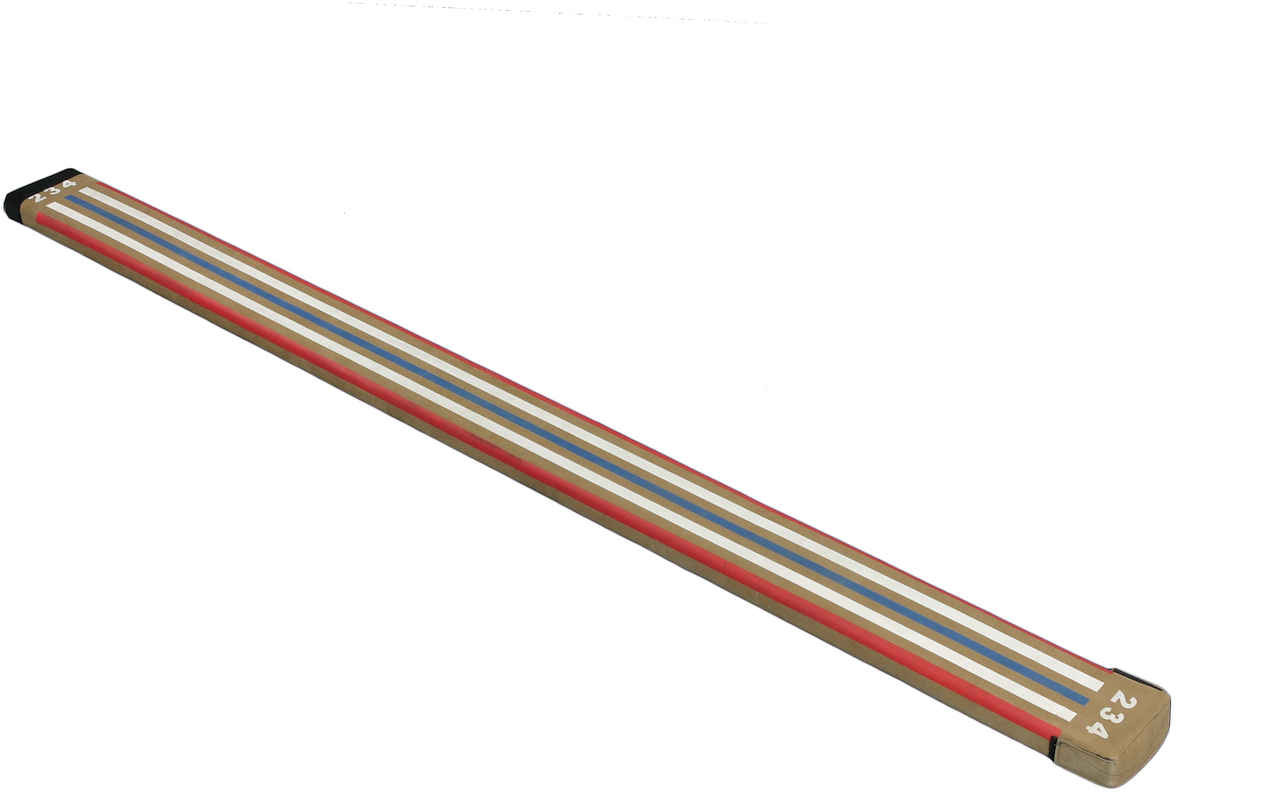
Choose the Laser Beam Lite when you want an 8-ft Laser Beam that is easy to use as an individual station, practical for home training, and flexible enough for class or club programs.
Its manageable footprint works especially well in preschool and recreational settings with limited space. Coaches can use it for walks, balances, turns, jumps, animal movements, hand and foot placement, and other age-appropriate activities. Multiple Lites can be spread around the floor to keep classes moving and give athletes more turns.
Two Laser Beam Lites can be connected to create an approximately 16-ft training surface, so coaches can use them separately for class flow or combine them when athletes need more length for connected skills and combinations.
Best for: Preschool and recreational stations, home training, individual skills, flexible class layouts, and modular 8-ft or 16-ft setups
Best for Continuous Full-Length Training: Laser Beam PRO
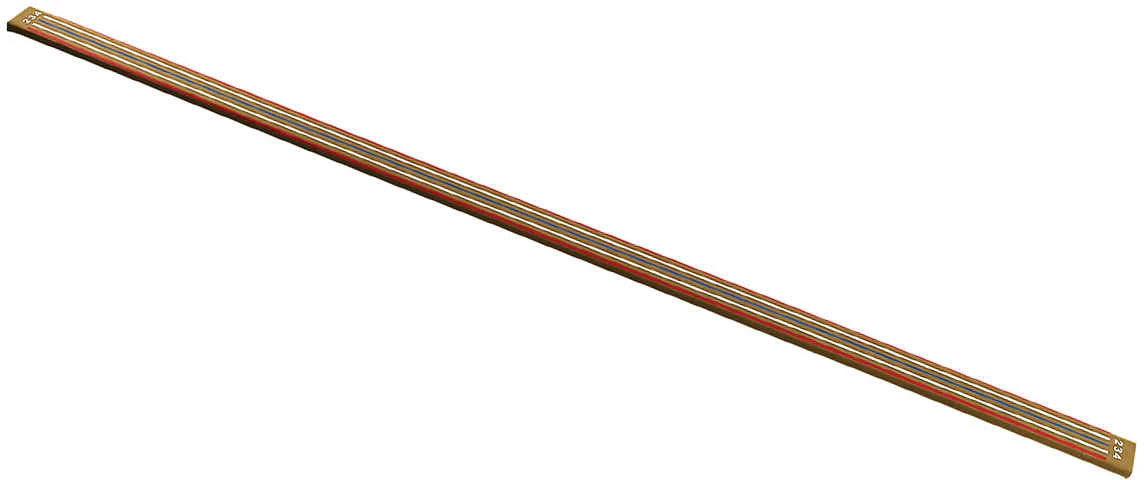
Choose the Laser Beam PRO when you want one continuous, full-length Laser surface. Team athletes can use the uninterrupted length for acro series, leap and jump combinations, choreography, and complete beam sequences. Preschool and recreational programs can use the same long surface for follow-the-leader activities, progressive balance challenges, movement circuits, and stations that accommodate several athletes in sequence.
Best for: Full-length recreational stations, class circuits, routines, acro series, leap/jump combinations, and continuous club training
Best First Step for New Skills: Laser Beam Skill Expander

Choose the Laser Beam Skill Expander when an athlete needs more physical space than the Laser Beam alone provides.
The Skill Expander surrounds the Laser Beam and creates a much wider, level working area while preserving the familiar Laser Beam markings. This allows athletes to learn movement patterns, hand placements, foot placements, and body positions with additional room before progressing to the narrower Laser surface.
The loop surface can also accept compatible hook-backed manipulatives, helping instructors create colorful placement games, pathways, and changing station challenges for preschool and recreational classes.
The Skill Expander is designed to be used with a Laser Beam Lite or PRO and is not intended as a standalone training mat.
Best for: Preschool movement activities, beginners, new skills, confidence-building progressions, visual learning, and early-stage beam development
Best for Individual Raised-Beam Stations: Laser Beam Conversion Top

Choose the Laser Beam Conversion Top when an athlete is ready to move a skill from a floor-level Laser Beam onto a raised beam but still benefits from the wider Laser surface and visual guidance.
The approximately 8-ft Conversion Top straps onto a compatible competition-size beam or an 8-ft Addie Balance Beam. It is ideal for focused skill stations and can be moved among compatible beams as needed. For recreational and developmental programs, it offers a familiar next step when athletes are ready to add height without immediately giving up the Laser visual system.
Important: The Conversion Top is an accessory, not a standalone floor beam, and it is not compatible with the Brianna Balance Beam.
Best for: Recreational-to-team progressions, individual raised-beam stations, focused skills, and transferring familiar visual cues to height
Best for Full-Length Raised-Beam Training: Laser Beam Training Pad
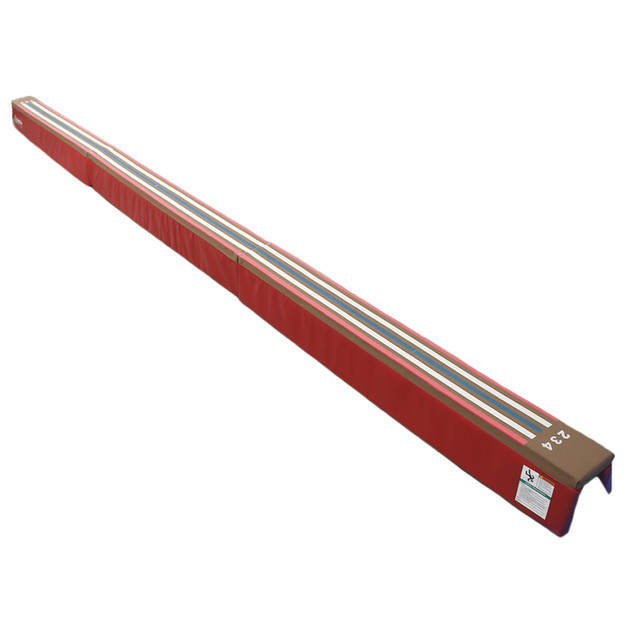
Choose the Laser Beam Training Pad when you want the Laser visual-training system across most or all of a competition-length beam. Its continuous, cushioned surface can support recreational athletes gaining comfort on a raised beam as well as higher-level athletes working acro series, advanced leaps, connected sequences, and harder dismount preparation.
Best for: Recreational, developmental, and advanced raised-beam training; confidence building; series; combinations; and continuous sequences
Laser Beam Family Comparison
| Product | Best For | Where It Is Used | Key Advantage |
|---|---|---|---|
| Laser Beam Lite | Preschool and recreational stations, home practice, individual skills, multiple gym stations | Floor | Most flexible modular option; use separately or connect two for approximately 16 ft |
| Laser Beam PRO | Long class stations, movement circuits, full routines, series, and combinations | Floor | Full-length uninterrupted Laser training surface |
| Skill Expander | Preschool activities, beginners, earliest skill-learning stage, and confidence progressions | Around Lite or PRO | Creates a much wider area and supports visual station setups |
| Conversion Top | Recreational-to-team progressions and individual raised-beam stations | On compatible beam | Moves the familiar Laser visual system onto a raised beam |
| Training Pad | Confidence building and full-length raised-beam training across levels | On competition beam | Continuous cushioned Laser surface for progressions, series, and combinations |
Laser Beam Lite vs. PRO: Which Should You Choose?
Choose Laser Beam Lite for maximum station flexibility.
The Lite is well suited to home training, preschool classes, recreational programs, and gyms that want multiple stations. Several Lites can be spread around the gym so more athletes can train at the same time. They can anchor balance circuits, placement games, basic-skill stations, or mixed-level rotations. When more length is needed, two Lites can be connected to create an approximately 16-ft beam.
Choose Laser Beam PRO for uninterrupted length.
The PRO is the better choice when athletes need a single continuous surface. That may mean full routines and advanced combinations for team athletes, or longer movement pathways, follow-the-leader drills, and class circuits for preschool and recreational athletes.
Conversion Top vs. Training Pad: Which Is Better for a Gym?
Choose Conversion Tops when station flexibility matters.
Multiple Conversion Tops allow a gym to create several raised-beam stations at once and move the training aids where they are needed. They are useful when classes or team groups rotate through short, focused drills.
Choose the Training Pad when continuous length matters.
A full-length Training Pad supports advanced acro series, leap/jump combinations, connected skills, and dismount preparation without interruption. Its continuous cushioned surface can also help recreational and developing athletes feel more comfortable as they learn to travel, balance, and perform skills on a raised beam.
What Do the Lines and Numbers on the Laser Beam Mean?
White Lines
The white lines show the approximate boundaries of a regulation-width competition beam, helping gymnasts understand where their hands and feet would need to remain on a standard beam.
Center Line
The center line gives athletes a consistent visual reference for body alignment and position.
Additional Colored Lines
Additional markings help athletes recognize when their body position is moving toward the edge and can give coaches a more specific way to cue placement and alignment.
Numbers
Numbered markings provide repeatable reference points for takeoffs, landings, hand placement, foot placement, spacing, and body position. In preschool and recreational classes, instructors can also use the numbers for simple movement prompts, destinations, and games.
What Should You Consider When Choosing a Laser Beam Product?
1. Athlete Age and Program Type
Preschool programs often benefit from wide, low stations and engaging visual activities. Recreational classes may prioritize confidence, repetition, and easy station flow. Developmental and team programs may place more emphasis on connected skills, continuous length, and transfer to a raised regulation beam.
2. Stage of Skill Development
Athletes who are just learning a skill may benefit from the Skill Expander. Athletes ready for a narrower surface can move to the Laser Beam itself. Conversion Tops and Training Pads support the next step: transferring familiar visual cues to a raised beam.
3. Number of Athletes Training at One Time
Programs that prioritize class flow may prefer multiple Laser Beam Lites or multiple Conversion Tops so several athletes can work simultaneously. A PRO can also serve as one long pathway within a circuit.
4. Need for Continuous Length
Continuous length is useful for recreational movement sequences as well as connected team skills, full routines, acro series, and leap/jump combinations. In those cases, the Laser Beam PRO or full-length Training Pad may be more useful.
5. Available Space and Storage
The Laser Beam Lite is practical for many homes and smaller class areas, but it should not be viewed as home-only equipment. Clubs often prefer the Lite because it is easy to deploy in multiple stations and can be connected for a longer setup.
6. Height Progression
Floor-level Laser Beams allow athletes of every level to focus on movement, technique, and confidence before moving to a raised beam with a Conversion Top or Training Pad.
Frequently Asked Questions About the Laser Balance Beam System
What is the Laser Balance Beam system?
It is a family of progressive beam-training products for preschool, recreational, developmental, competitive, and home use. The system combines wider working surfaces and visual guidance to help athletes build balance, body awareness, placement, technique, and confidence.
Is the Laser Beam family only for team gymnasts?
No. The family is equally useful for preschool and recreational programs. Low-profile beams, wider learning spaces, visual markings, modular lengths, and station-friendly setups allow instructors to teach foundational movement and beam skills in approachable, engaging ways. The same system can continue supporting athletes as their skills advance.
How can preschool programs use the Laser Beam family?
Instructors can create walking and balance pathways, movement games, hand-and-foot placement challenges, animal walks, turns, jumps, and simple circuits. The Skill Expander's loop surface can accept compatible hook-backed manipulatives for changing visual activities.
Why is the Laser Beam wider than a competition beam?
The wider surface provides additional physical space while visual lines show the athlete where the boundaries of a competition-width beam would be.
Is the Laser Beam Lite only for home use?
No. Its manageable size also makes it a strong choice for preschool and recreational classes, flexible station training, and facilities with limited space. Several Lites can be used simultaneously, and two can be connected to create an approximately 16-ft beam.
What is the difference between Laser Beam Lite and PRO?
The Lite is an approximately 8-ft modular beam that works well for individual stations and can be connected with another Lite. The PRO provides a continuous full-length surface for long class pathways, routines, series, and combinations.
What is the Skill Expander used for?
The Skill Expander creates a much wider working area around the Laser Beam so athletes can learn new movement patterns with additional physical space. It is useful for beginners and new skills, and its loop surface supports compatible hook-backed visual activities.
Can the Skill Expander be used without a Laser Beam?
No. It is designed to work around a Laser Beam Lite or PRO and is not intended as a standalone practice mat.
What is the difference between a Conversion Top and a Training Pad?
The Conversion Top is approximately 8 ft long and is useful for individual raised-beam stations. The Training Pad provides a continuous full-length surface for confidence-building progressions, longer movement sequences, advanced series, combinations, and full-beam training.
Can the Conversion Top be used on the floor?
No. It is an accessory designed to secure to a compatible raised beam rather than function as a standalone floor beam.
Will the Conversion Top fit a Brianna Balance Beam?
No. The Conversion Top is not compatible with the Brianna Balance Beam.
Can the Conversion Top fit an Addie Beam?
Yes. It is compatible with the 8-ft Addie Balance Beam and many competition-size beams.
Which option is best for acro series and leap combinations?
For floor-level work, the Laser Beam PRO provides continuous length. For raised-beam work, the full-length Training Pad is generally better suited to series and combinations than an individual Conversion Top.
Can two Laser Beam Lites be connected?
Yes. Two Lites can be connected to create an approximately 16-ft training beam.
Can the Laser Beam help athletes build confidence?
Yes. The system provides additional physical space and visual feedback, allowing athletes to develop comfort and consistency before performing the same movements or skills on a narrower or higher beam.
Still Not Sure Which Laser Beam Product to Choose?
- For preschool, recreational, home, or flexible station use: Choose the Laser Beam Lite.
- For a continuous class pathway or full-length floor training: Choose the Laser Beam PRO.
- For the widest beginner-friendly progression and visual activities: Add the Skill Expander.
- For individual raised-beam stations: Choose the Conversion Top.
- For continuous raised-beam training across recreational, developmental, and advanced levels: Choose the Training Pad.
Need Help Choosing the Right Equipment?
Our team is happy to help you evaluate athlete age, skill level, available space and budget to find the perfect setup.
Contact Tumbl Trak Support